
Foods
What is Gratinieren? The Ultimate Guide to the Perfect Crispy Crust

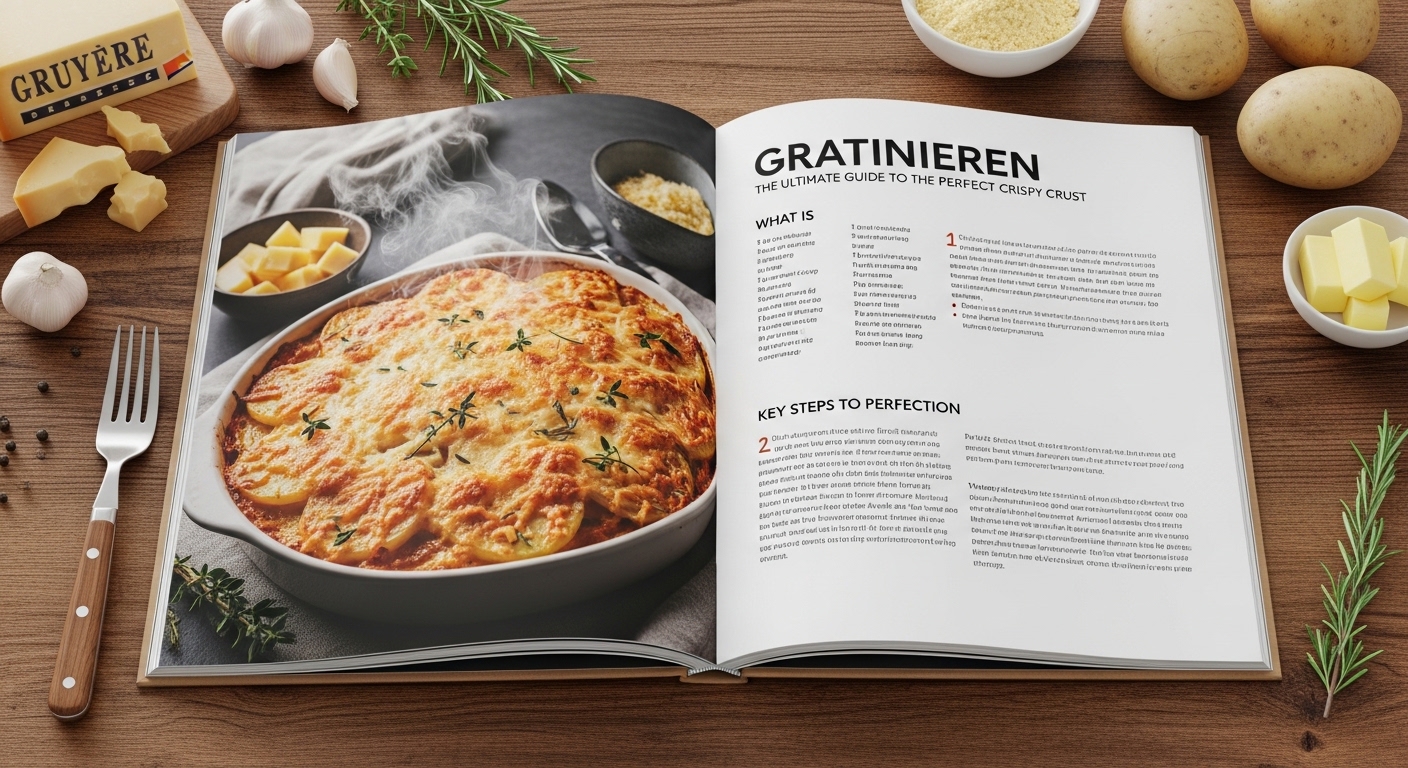
In a sunlit kitchen in Lyon, a young chef watched as a bubbling dish emerged from the oven, its surface crisped to a golden perfection. She smiled, knowing she had mastered the delicate art of gratinieren—a culinary technique that transforms ordinary ingredients into dishes with irresistible textures and flavors. Though the term may seem foreign to many, its principle is simple: achieving a beautifully browned crust that enhances taste, aroma, and presentation.
Gratinieren is more than a cooking step; it’s a bridge between everyday meals and gourmet experiences. From creamy potatoes dauphinoise to oven-baked seafood au gratin, this technique demonstrates how careful heat, timing, and layering can elevate food into something memorable. But beyond the kitchen, the concept of finishing touches—perfecting a product or experience—mirrors the same attention to detail that gratinieren demands.
What Does Gratinieren Really Mean?
Originating from French cuisine, gratinieren (or “gratin”) refers to a method of cooking food with a topping that crisps under heat, typically in an oven or under a broiler. The topping often includes breadcrumbs, cheese, or a combination, which caramelizes to produce a crunchy, flavorful layer. The technique relies on the Maillard reaction, a chemical process between amino acids and sugars that gives browned foods their characteristic flavor and appealing color.
While many associate gratinieren exclusively with potatoes or cheese-laden casseroles, its applications are broad. Vegetables, fish, meats, and even some desserts can be “gratinated” to add texture contrast and a visual allure that elevates simple ingredients.
Tools and Techniques for Perfect Gratinieren
To achieve the ideal golden crust, chefs employ several practical techniques:
-
Choosing the Right Dish: Shallow ovenproof dishes ensure even heat distribution. Glass or ceramic dishes are ideal for most gratins.
-
Layering Ingredients Thoughtfully: Balancing moisture and texture is crucial. Moist vegetables may require pre-roasting, while proteins benefit from a light coating of sauce or oil to promote browning.
-
Selecting Toppings: Classic combinations include grated cheese and breadcrumbs, but nuts, herbs, and even seeds can create innovative textures.
-
Mastering Heat: Broiling at high temperature for a short period creates a crisp top without overcooking the interior.
| Ingredient Type | Recommended Topping | Ideal Gratin Temperature |
|---|---|---|
| Potatoes | Gruyère + breadcrumbs | 200°C (390°F) |
| Vegetables (e.g., zucchini, cauliflower) | Parmesan + herbs | 180°C (356°F) |
| Fish or seafood | Panko + butter | 190°C (374°F) |
| Meats (e.g., chicken) | Cheese + breadcrumbs | 200°C (390°F) |
This table demonstrates how careful selection of toppings and temperatures can transform ingredients while respecting their natural flavors.
Why Gratinieren Matters in Modern Cuisine
In today’s culinary landscape, diners increasingly value textures as much as flavors. Gratinieren provides that textural contrast—a golden, crunchy exterior paired with a tender interior—that keeps a dish exciting from first bite to last. Restaurants leverage this method not only for taste but for presentation, as a well-gratinated dish naturally draws attention with its glossy, caramelized surface.
Moreover, the technique mirrors broader creative principles in business and design. Just as chefs finish a dish with finesse, brands refine products with final touches that enhance appeal. Understanding how small details—like a perfectly browned top—impact perception can elevate the entire experience, whether on a plate or in a product.
Common Mistakes and How to Avoid Them
Even experienced cooks can stumble when attempting gratinieren. Common pitfalls include:
-
Overcrowding the Dish: Excess moisture prevents proper browning. Spread ingredients evenly.
-
Using Too Much Topping: While tempting, excessive cheese or breadcrumbs can overshadow the base flavors.
-
Incorrect Oven Positioning: Place dishes on the top rack to ensure even exposure to heat for optimal browning.
By anticipating these issues, even home cooks can achieve restaurant-quality results.
Creative Variations of Gratinieren
Gratinieren isn’t static; it invites experimentation. Chefs are increasingly exploring alternatives:
-
Cheese-Free Gratins: Using nut-based crumbs or herb-infused breadcrumbs for vegan adaptations.
-
Fusion Techniques: Combining Asian flavors like miso or sesame with classic gratin textures.
-
Sweet Applications: Fruit crisps or baked desserts can benefit from gratin-style topping for contrast.
These variations show that gratinieren is both a tradition and a canvas for innovation.
Bringing Gratinieren into Everyday Cooking
For home cooks, the beauty of gratinieren is its versatility. From weeknight dinners to celebratory feasts, the method adds sophistication with minimal complexity. Investing in a reliable broiler, experimenting with cheeses, and observing ingredient moisture can make the difference between a simple baked dish and a show-stopping gratin.
Beyond food, the philosophy of gratinieren—paying attention to finishing touches—reminds us that small details can create a significant impact. Whether it’s a meal, a project, or a presentation, the final layer matters.
Conclusion
Gratinieren transforms cooking from functional to exceptional. It teaches precision, timing, and appreciation for texture. Every crisp, golden surface represents attention to detail, patience, and culinary artistry. As kitchens evolve and tastes diversify, mastering this technique ensures dishes remain visually appealing, delicious, and memorable. In life, as in cooking, it’s often the final layer that leaves the strongest impression.
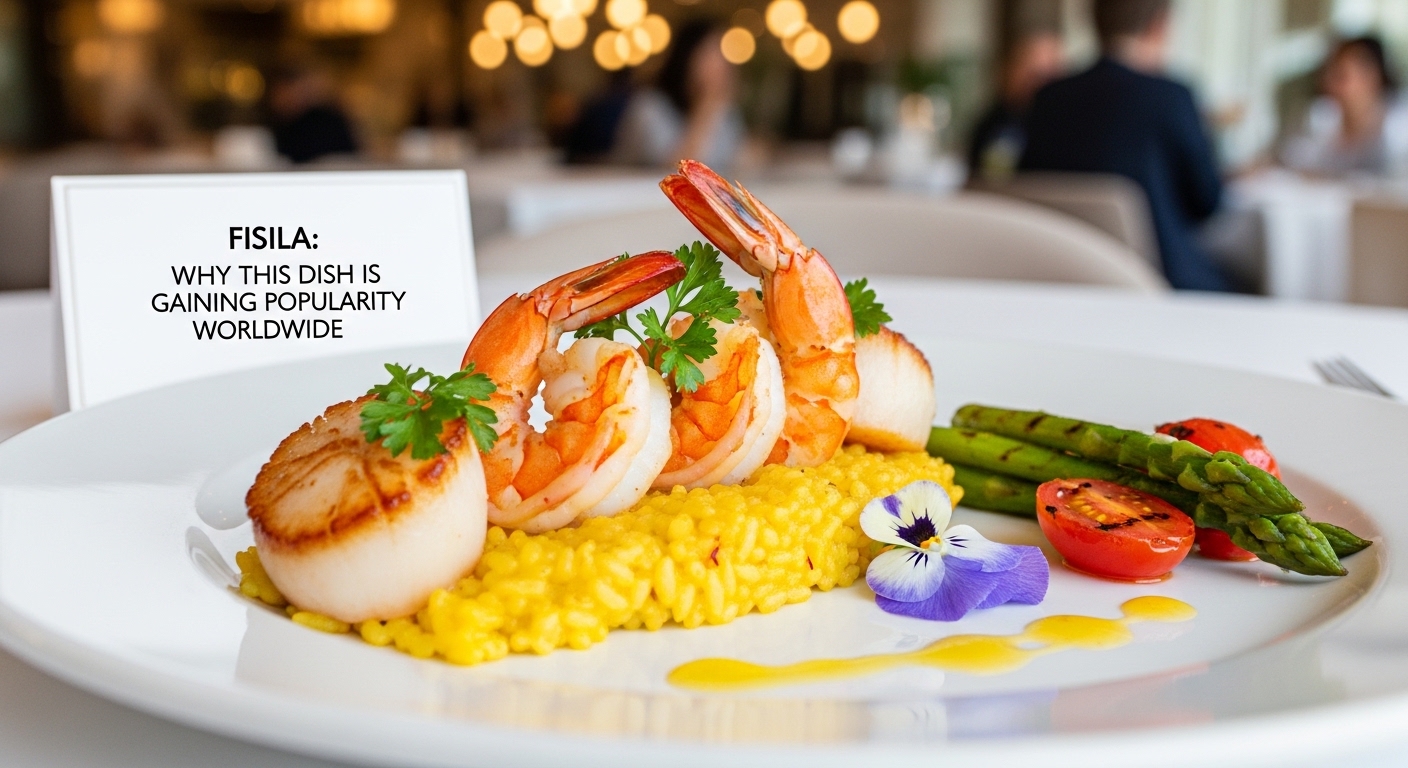
Have you heard of Fisila? If not, you’re in for a treat. This dish is taking the culinary world by storm and quickly becoming a favorite on tables worldwide. Originating from rich cultural traditions, Fisila combines flavors and textures that are as intriguing as its history. As more people discover this delightful dish, it’s clear that Fisila isn’t just a passing trend—it’s here to stay. Let’s dive into what makes Fisila so special and why it’s capturing hearts across the globe!
What is Fisila?
Fisila is a delightful dish that showcases the vibrant flavors of its ingredients. Originating from various regions, it often features fresh vegetables and legumes as its main components. At its core, Fisila combines simplicity with richness. The base ingredients can vary widely but frequently include beans or lentils, paired with an array of seasonal veggies like carrots and greens. This makes each serving not only colorful but also nutritious.
The preparation typically involves sautéing the vegetables before simmering them to perfection in a blend of spices. This method enhances their natural flavors while creating a comforting stew-like consistency. Some variations even incorporate grains for added texture. The result is a harmonious balance that appeals to both vegetarians and meat lovers alike, making Fisila an adaptable delight on any table.
Health Benefits of Fisila
Fisila is not just a culinary delight; it’s also packed with health benefits. This dish primarily features fresh vegetables, which are rich in vitamins and minerals essential for maintaining overall well-being. The fiber content in Fisila aids digestion and helps regulate blood sugar levels. It can be particularly beneficial for those looking to maintain a healthy weight or lower cholesterol.
Moreover, the variety of spices used in its preparation adds antioxidants that combat inflammation and promote heart health. Eating Fisila regularly can contribute to improved immune function due to the presence of nutrients found in ingredients like garlic and ginger. With its low-calorie profile, this dish allows you to enjoy flavorful meals without guilt while nourishing your body at the same time.
How Fisila is Prepared and Served
Fisila is a delightful dish that offers a blend of rich flavors and textures. Traditionally, it begins with fresh ingredients like tomatoes, bell peppers, and spices. The base often includes lentils or chickpeas, simmered until tender. The preparation method can vary widely. Some choose to sauté the vegetables in olive oil for added depth. Others prefer to steam them lightly to preserve their vibrant colors and nutrients.
Serving Fisila is an art in itself. Many enjoy it warm as a main course alongside rice or flatbread. For those seeking variety, it can also be served cold as a refreshing salad. Garnishing plays a crucial role too; fresh herbs like cilantro or parsley elevate the dish’s appearance and flavor profile considerably. Each bite offers an explosion of taste that captivates food lovers everywhere.
The Versatility of Fisila in Different Cuisines
Fisila is not just a standalone dish; it effortlessly adapts to various culinary traditions. From Middle Eastern kitchens to African shores, its presence can be felt in numerous forms. In Mediterranean cuisine, Fisila might be seasoned with zesty lemon and fresh herbs. This combination brings out the vibrant flavors that dance on your palate. Meanwhile, in Asian cuisines, chefs often incorporate spices like ginger and garlic. These elements elevate into something uniquely aromatic and savory.
Some cultures even serve it as part of a festive spread. The warm colors and inviting aroma make it an excellent centerpiece at gatherings. With endless possibilities for creativity, Fisila continues to charm food lovers around the globe through its delightful versatility across different cuisines.
Fisila: A Sustainable and Environmentally Friendly Dish
Fisila stands out as a beacon of sustainability in the culinary world. This dish primarily consists of fresh ingredients that are often locally sourced. By emphasizing seasonal vegetables, minimizes transportation emissions and supports local farmers. The preparation method is equally eco-friendly. Traditional recipes often require minimal processing, preserving the nutritional value while reducing energy consumption.
Moreover, Fisila encourages plant-based eating habits, which have a lower carbon footprint compared to meat-heavy diets. With its rich flavors and vibrant colors, it’s an enticing option for those looking to make environmentally conscious choices. As more people embrace sustainable living, dishes like offer a delicious way to do good for both our health and the planet. It’s not just food; it’s a statement about what we value in our meals and their impact on Earth.
Where to Find Authentic Fisila Around the World
Finding authentic Fisila can be quite the adventure. This dish has found its way into international kitchens, each adding a unique twist. In Morocco, local markets are bustling with vendors serving up traditional Fisila as part of festive celebrations. You’ll discover it at family gatherings where recipes have been passed down for generations. If you’re in Spain, especially Andalusia, look for small eateries offering regional variations that incorporate local spices and ingredients.
Head to Ethiopia’s vibrant food scene for an exciting take on served alongside injera. Here it becomes a communal experience rich with flavor and tradition. For those in North America or Europe craving authenticity, specialty Middle Eastern restaurants often feature this delightful dish on their menus. Keep an eye out during cultural festivals too; they frequently showcase traditional foods like Fisila to celebrate heritage and community spirit.
Conclusion
Fisila is more than just a dish; it’s a culinary experience that embodies rich traditions and modern tastes. As people around the globe seek healthier, plant-based options, stands out for its delightful flavors and numerous health benefits. Its versatility allows it to seamlessly fit into various cuisines, making it an accessible choice for many.
Whether you’re enjoying Fisila at a local restaurant or experimenting with recipes at home, this dish offers something unique. The sustainable nature of its ingredients also aligns well with current global trends toward eco-conscious eating. As demand grows globally, finding authentic Fisila has never been easier thanks to diverse restaurants and food markets embracing this vibrant dish. So why not give a try? Your taste buds may just thank you!

The first time a founder pauses a hectic workday to invite a client or colleague to lunch, it rarely feels like a calculated business move. It feels human. A conversation breaks away from screens, meetings soften, and ideas begin to flow more naturally. In Scandinavian business culture, this moment has a name: bjudlunch. Far from being a casual meal, bjudlunch represents a subtle yet powerful approach to building trust, alignment, and long-term professional relationships.
In an era dominated by virtual calls and rushed calendars, bjudlunch stands out as a reminder that meaningful progress often happens away from formal settings. It is not about impressing someone with luxury or closing a deal over dessert. It is about creating space for dialogue, mutual respect, and shared understanding. For entrepreneurs, founders, and decision-makers, this practice has become an understated strategic advantage.
Understanding the Meaning Behind Bjudlunch
At its core, bjudlunch translates to “invited lunch,” but the meaning goes far deeper than the literal words. Bjudlunch is an intentional gesture where one person hosts another for lunch, typically covering the cost and setting the tone for an open, balanced conversation. The focus is not hierarchy or obligation but reciprocity and goodwill.
In professional contexts, bjudlunch often serves as a neutral ground. It removes the pressure of boardrooms and performance metrics, replacing them with a shared experience. This environment allows people to speak more freely, listen more closely, and explore ideas without the rigidity of formal agendas. That is why bjudlunch has remained relevant even as business practices evolve.
Why Bjudlunch Matters in Modern Business Culture
Modern work culture values speed, efficiency, and measurable outcomes. Yet these priorities sometimes come at the cost of genuine connection. Bjudlunch counters this imbalance by slowing things down just enough to foster trust. When someone accepts a lunch invitation, they are also accepting an opportunity to engage beyond transactional exchanges.
For founders and entrepreneurs, bjudlunch can be particularly impactful. Early-stage partnerships, investor relationships, and team dynamics often hinge on trust rather than contracts. A well-timed lunch can clarify expectations, surface concerns, and strengthen alignment in ways that emails or presentations cannot. The informal setting encourages authenticity, which is increasingly rare and valuable in professional interactions.
The Psychology of a Shared Meal
Sharing a meal has deep psychological significance. Studies across cultures show that eating together promotes cooperation and empathy. In the context of bjudlunch, this effect becomes a strategic asset. When people sit down for lunch, they are more likely to perceive each other as collaborators rather than adversaries.
The act of hosting also carries meaning. Paying for the meal is not about power but about generosity. It signals respect and appreciation, creating a positive emotional baseline for the conversation. This subtle psychological shift can lead to more constructive discussions, especially when navigating complex topics such as negotiations, feedback, or long-term planning.
Bjudlunch as a Leadership Tool
Effective leaders understand that influence is built through relationships, not authority alone. Bjudlunch offers leaders a practical way to connect with employees, peers, and partners on a more personal level. Inviting a team member to lunch can open doors to honest feedback that might never surface in formal meetings.
For founders managing growing teams, bjudlunch can help maintain culture during periods of rapid change. As organizations scale, personal connections often weaken. Regularly inviting individuals or small groups to lunch reinforces a sense of belonging and shared purpose. Over time, these moments accumulate into a culture of openness and trust.
When and How to Use Bjudlunch Effectively
Timing plays a crucial role in making bjudlunch meaningful. It works best when there is a clear but flexible purpose, such as exploring collaboration, checking alignment, or simply strengthening rapport. The invitation should feel natural rather than strategic, even though the underlying intent is thoughtful.
Choosing the right setting also matters. A relaxed, comfortable environment encourages conversation without distraction. The goal is not to impress but to create ease. During the lunch, the host should focus on listening as much as speaking. Bjudlunch is not a sales pitch; it is a dialogue where mutual understanding takes priority.
Comparing Bjudlunch to Other Professional Interactions
To understand the unique value of bjudlunch, it helps to compare it with other common business interactions. The table below highlights how bjudlunch differs in tone and outcome from more traditional formats.
| Interaction Type | Primary Focus | Atmosphere | Relationship Impact |
|---|---|---|---|
| Formal Meeting | Decisions and outcomes | Structured and time-bound | Professional but distant |
| Virtual Call | Efficiency and updates | Transactional | Limited personal connection |
| Networking Event | Exposure and visibility | Social but superficial | Short-term impressions |
| Bjudlunch | Trust and dialogue | Relaxed and personal | Long-term relationship building |
This comparison shows why bjudlunch remains relevant. It fills a gap that other formats often leave unaddressed: the human side of professional collaboration.
Cultural Sensitivity and Global Context
While bjudlunch has roots in Scandinavian culture, its principles translate well across borders. However, cultural sensitivity is essential. In some regions, inviting someone to lunch may carry different expectations or norms. Understanding local customs ensures that the gesture is received as intended.
For global entrepreneurs and founders, adapting the spirit of bjudlunch rather than the exact form is key. The essence lies in generosity, openness, and respect. Whether the meal is lunch, coffee, or a simple shared break, the underlying intention remains the same.
The Long-Term Value of Bjudlunch
The true impact of bjudlunch often reveals itself over time. A single lunch may not lead to immediate results, but it can lay the foundation for future collaboration. People remember how a conversation made them feel, especially when it felt genuine and unhurried.
In competitive industries, where trust is scarce and attention is fragmented, these moments of connection become a differentiator. Professionals who consistently practice bjudlunch are often perceived as thoughtful, approachable, and reliable. These qualities attract opportunities that cannot be forced through traditional tactics.
Bjudlunch in a Digital-First World
As remote work and digital communication continue to shape professional life, the value of in-person interaction has increased rather than diminished. Bjudlunch offers a counterbalance to digital fatigue. It provides a tangible, human experience that strengthens relationships beyond screens.
Even in hybrid environments, the concept can evolve. Virtual lunches, where participants share a meal over video, attempt to capture some of the same benefits. While not identical, they reflect the enduring appeal of the bjudlunch mindset: creating space for connection within busy schedules.
Conclusion
Bjudlunch is not a trend or a tactic; it is a philosophy rooted in human connection. In a world obsessed with speed and scale, it reminds us that trust grows through presence and conversation. For entrepreneurs, founders, and leaders, embracing bjudlunch means choosing depth over haste and relationships over transactions.
The next time a calendar feels overwhelming, consider what might happen if you pause and invite someone to lunch. That simple gesture could become the starting point for clarity, collaboration, and lasting professional respect.
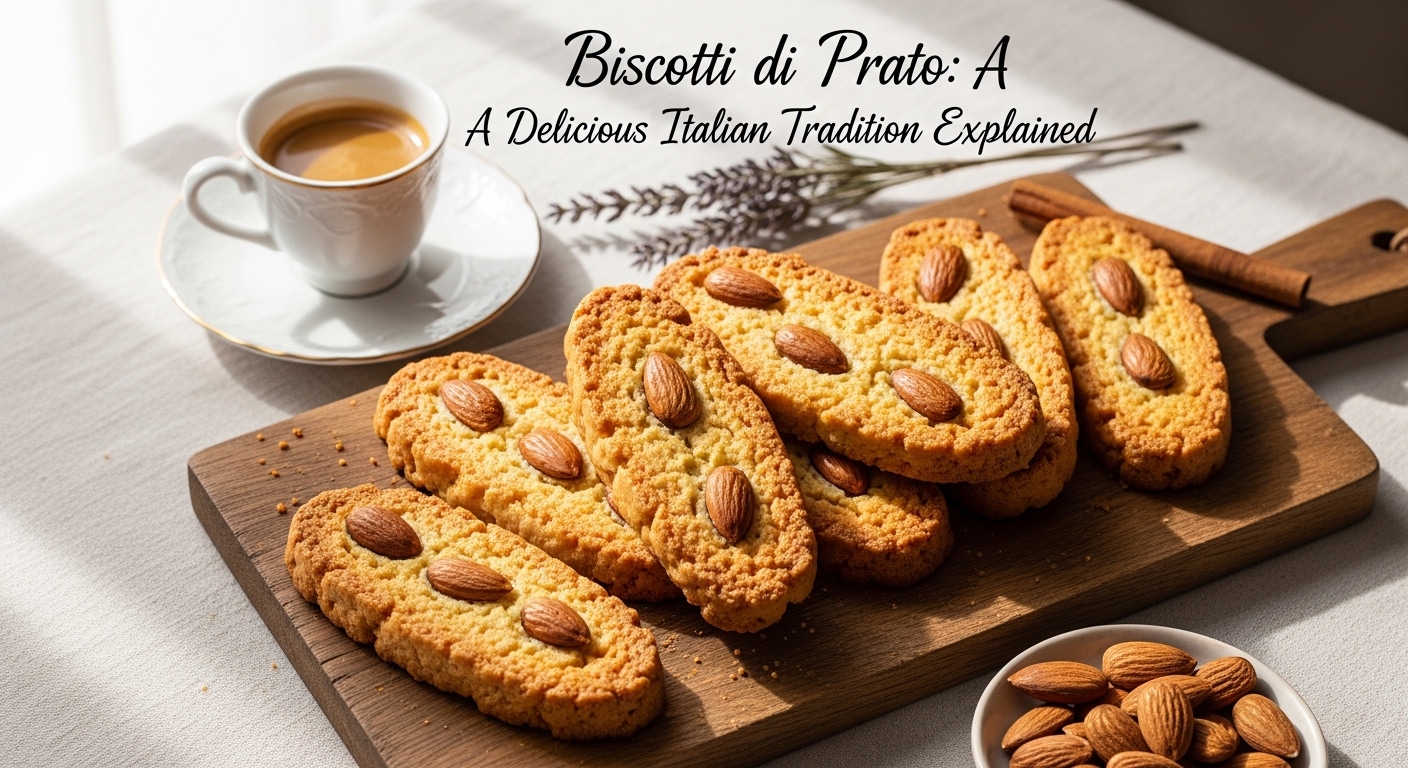
Italy’s culinary heritage is a mosaic of flavors, stories, and traditions, and among its treasures lies бишкоти ди прато—a crisp, golden-baked delicacy with centuries of history. Imagine strolling through the cobbled streets of Tuscany, where the scent of freshly baked cookies drifts from quaint bakeries, enticing locals and travelers alike. These cookies aren’t just a treat; they are a testament to Italian ingenuity and a ritual that has stood the test of time.
The Origins of Бишкоти ди Прато
Бишкоти ди Прато, also known simply as cantuccini in some regions, originated in the charming city of Prato, near Florence. Historical records trace its creation back to the Renaissance, a period when culinary artistry flourished alongside art and science. Traditionally, these biscuits were baked twice to achieve a characteristic crunch, making them perfect for long-term storage—ideal for travelers, merchants, and families alike.
The name itself tells a story: “бишкоти” refers to the baked biscuit, while “di Прато” signifies its geographical origin. Over centuries, this simple treat became a staple in Tuscan homes, celebrated during holidays and special occasions.
The Traditional Recipe: Simple Ingredients, Exceptional Taste
What sets бишкоти ди прато apart is its elegant simplicity. At first glance, the ingredients might seem ordinary: flour, sugar, eggs, almonds, and a hint of vanilla or anise. Yet, the magic happens in the preparation.
The dough is shaped into logs, baked until lightly golden, and then sliced into thin pieces before a second bake. This method creates a crunchy texture that is perfect for dipping into sweet dessert wines like Vin Santo—a ritual deeply embedded in Tuscan culture.
| Ingredient | Traditional Measure | Purpose |
|---|---|---|
| Flour | 250g | Structure |
| Sugar | 200g | Sweetness |
| Eggs | 3 | Binding & richness |
| Almonds | 150g | Flavor & texture |
| Anise/Vanilla | 1 tsp | Aromatic note |
This table illustrates the classic balance of flavors that makes бишкоти ди прато irresistible. Each bite delivers a subtle crunch, nutty sweetness, and a lingering aroma that transports you straight to Tuscany.
Cultural Significance and Traditions
In Tuscany, бишкоти ди прато is more than a cookie; it’s a symbol of hospitality and celebration. Families traditionally serve them during Christmas and Easter, often paired with Vin Santo. They are also gifted in charming paper bags, a gesture that reflects warmth and friendship.
Beyond festivals, these cookies have been integrated into modern Italian cuisine. Many chefs experiment with chocolate dips, citrus zest, or even coffee coatings, blending tradition with innovation. Yet, the essence remains the same: a twice-baked biscuit that celebrates time-honored craftsmanship.
Why Бишкоти ди Прато is Timeless
The enduring popularity of бишкоти ди прато stems from its versatility. It’s a snack for any occasion, whether paired with morning coffee, an afternoon tea, or a dessert wine. Its texture and flavor make it suitable for creative culinary uses, including crumbling over gelato or incorporating into tiramisu.
Moreover, this cookie exemplifies a broader Italian philosophy: food as art, community, and heritage. Each batch tells a story—of a family, a city, and a culture devoted to flavor, care, and tradition.
Modern Adaptations and Global Appeal
Today, бишкоти ди прато enjoys a global presence. Specialty Italian bakeries around the world have embraced this delicacy, introducing variations to suit local tastes. Some add pistachios or hazelnuts, while others experiment with gluten-free or vegan recipes, making it accessible to all while retaining its authentic spirit.
Despite these innovations, purists insist on the traditional method, emphasizing the twice-baked technique as essential to preserving its character. This delicate balance between authenticity and creativity has cemented its status as both a culinary icon and a versatile treat.
Conclusion
Бишкоти ди Прато is more than a cookie; it’s a story baked into golden perfection. From its Renaissance origins to modern interpretations, it embodies Italian heritage, creativity, and the joy of sharing. Whether enjoyed in a Tuscan village or a café halfway across the world, every bite connects us to centuries of tradition. For anyone seeking a taste of Italy’s rich culinary tapestry, these biscuits are an unforgettable gateway.


