
Connect with us

Travel

Customized Chandigarh to Shimla Manali Tour Package for Every Traveler

Published

on

Planning a trip to the hills is always exciting, especially when it includes two of the most loved destinations in Himachal Pradesh—Shimla and Manali. A well-designed chandigarh to shimla manali tour package offers the perfect blend of scenic beauty, adventure, relaxation, and cultural exploration. What makes it even more appealing is the option to customize your itinerary according to your travel style, preferences, and budget.

Whether you are a honeymoon couple, a family, a group of friends, or a solo traveler, a customized package ensures you get the best out of your journey without compromising on comfort or experiences.

Why Choose a Customized Tour Package?

Every traveler has different expectations from a trip. Some look for peaceful landscapes, while others crave adventure or cultural immersion. A customized chandigarh to shimla manali tour package allows you to:

  • Select your preferred hotels (budget, deluxe, or luxury)
  • Decide the duration of your stay
  • Include or exclude specific sightseeing spots
  • Add adventure activities like paragliding or skiing
  • Plan special experiences like candlelight dinners or guided tours

This flexibility makes your trip more personal and memorable compared to fixed itineraries.

Ideal Itinerary for Chandigarh to Shimla Manali Tour

A typical itinerary can be modified based on your preferences, but here’s a general outline:

Day 1: Chandigarh to Shimla
Start your journey from Chandigarh and drive to Shimla. Enjoy scenic views of hills and valleys along the way. After reaching, check into your hotel and relax. In the evening, explore Mall Road and Ridge.

Day 2: Shimla Sightseeing
Visit Kufri for adventure activities and panoramic views. Explore Jakhoo Temple, Christ Church, and local markets. Customize your day by adding activities like horse riding or nature walks.

Day 3: Shimla to Manali
Drive to Manali via Kullu Valley. You can stop for river rafting or shopping for shawls. Reach Manali by evening and unwind at your hotel.

Day 4: Manali Local Sightseeing
Visit Hadimba Temple, Vashisht Hot Springs, and Club House. Customize your day with cafe hopping or exploring Old Manali.

Day 5: Solang Valley / Rohtang Pass
Enjoy adventure sports like skiing, paragliding, or snowboarding depending on the season. This day can be tailored for thrill-seekers or those who just want to enjoy snow views.

Day 6: Return to Chandigarh
Drive back with beautiful memories of your customized trip.

Customized Options for Different Travelers

1. For Honeymoon Couples

A shimla manali honeymoon package can be tailored to include romantic stays, candlelight dinners, flower decorations, and private sightseeing. Couples can enjoy peaceful moments in scenic locations like Kufri, Solang Valley, and riverside cafes in Manali.

Special inclusions:

  • Private cab for complete privacy
  • Luxury hotel rooms with valley views
  • Romantic experiences like bonfires and dinners

2. For Families

Families often look for comfort and safety. A customized chandigarh to shimla manali tour package for families includes spacious accommodations, kid-friendly activities, and relaxed schedules.

Special inclusions:

  • Comfortable transport with frequent stops
  • Easy sightseeing plans
  • Activities suitable for children and elders

3. For Adventure Lovers

Adventure enthusiasts can customize their trip with thrilling experiences such as:

  • Paragliding in Solang Valley
  • River rafting in Kullu
  • Trekking and camping
  • Skiing during winter

Adding these activities ensures your trip is packed with excitement and unforgettable moments.

4. For Budget Travelers

Customization also works for budget-conscious travelers. You can choose:

  • Budget hotels or homestays
  • Shared transportation
  • Limited but essential sightseeing

This makes the chandigarh to shimla manali tour package accessible without compromising on the overall experience.

5. For Luxury Travelers

If you prefer a premium experience, opt for luxury resorts, private transfers, and exclusive experiences.

Luxury inclusions:

  • 4-star or 5-star hotels
  • Private guided tours
  • Personalized services
  • Fine dining experiences

Best Time to Plan Your Trip

The beauty of Shimla and Manali changes with every season, and your customized package can reflect that.

  • Summer (March to June): Ideal for sightseeing and pleasant weather
  • Monsoon (July to September): Lush greenery but occasional travel disruptions
  • Winter (October to February): Best for snow lovers and honeymooners

A shimla manali honeymoon package is especially popular during winter due to snowfall and romantic weather.

Benefits of Booking a Customized Package

  • Flexibility: Travel at your own pace
  • Comfort: Choose accommodations and transport as per your preference
  • Personalization: Add experiences that match your interests
  • Cost Control: Adjust the package to fit your budget
  • Better Experience: Avoid unnecessary stops and focus on what you love

Tips for Customizing Your Tour

To make the most of your chandigarh to shimla manali tour package, keep these tips in mind:

  • Plan your trip duration wisely (5–7 days is ideal)
  • Book in advance, especially during peak seasons
  • Choose accommodations close to main attractions
  • Keep buffer time for weather-related delays
  • Discuss all inclusions clearly with your travel provider

Why Shimla and Manali Are Perfect Together

Shimla offers colonial charm, bustling markets, and peaceful hill views, while Manali is known for its adventurous vibe, snow-capped mountains, and scenic valleys. Combining both destinations in a single chandigarh to shimla manali tour package gives you a complete Himachal experience.

For couples, a shimla manali honeymoon package adds romance to this scenic journey, making it a perfect getaway filled with love and tranquility.

Final Thoughts

A customized chandigarh to shimla manali tour package is the best way to explore the beauty of Himachal Pradesh exactly the way you want. Whether you are seeking romance, adventure, relaxation, or family bonding, customization ensures your travel experience is truly unique and unforgettable.

From cozy stays and scenic drives to thrilling activities and peaceful moments, every detail can be tailored to match your expectations. So, plan your journey today and create memories that will last a lifetime in the breathtaking landscapes of Shimla and Manali.
Continue Reading

Travel

How to Prepare for Ground Delays at Denver Airport Due to Fog and Low Visibility

Published

on

By

denver airport ground delay low visibility

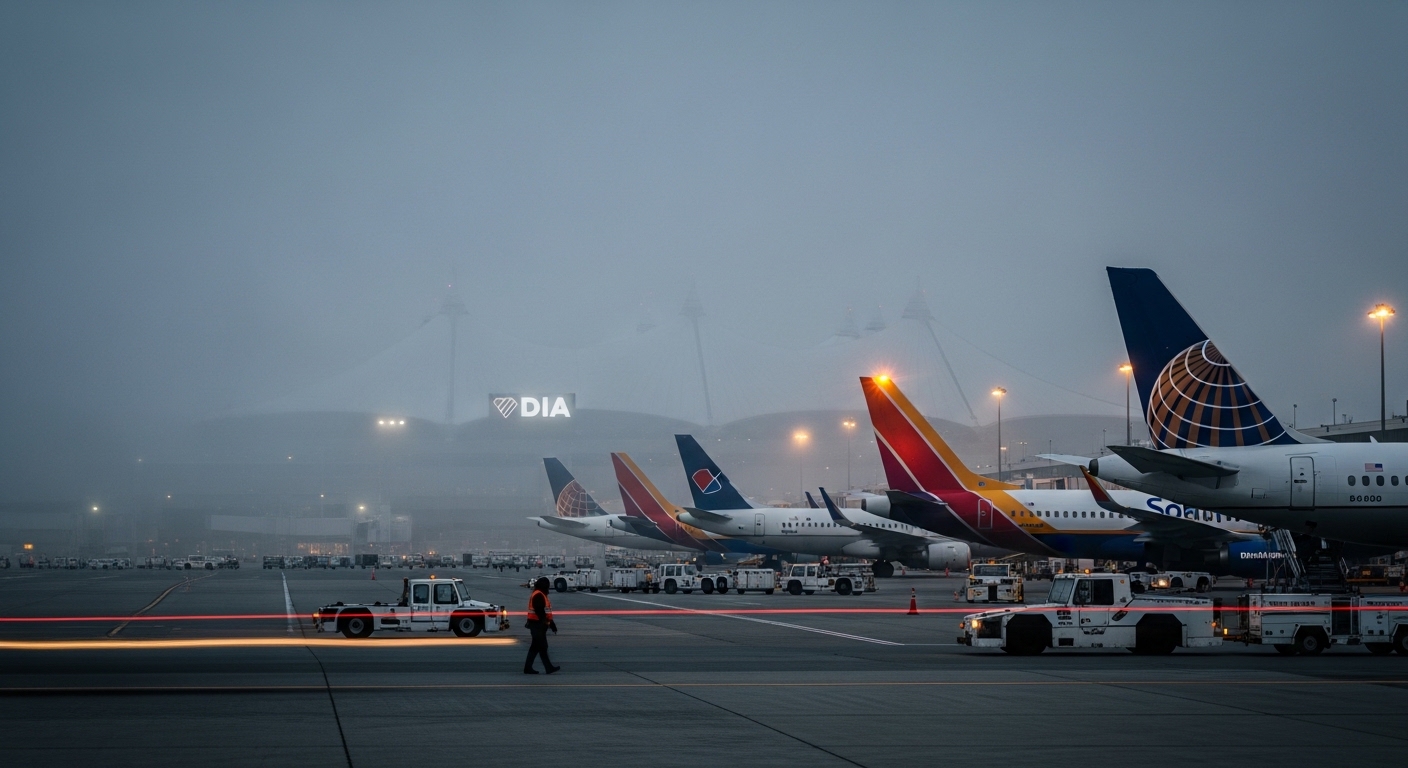
Air travel often feels like a carefully choreographed dance of timing, technology, and weather. Yet even the most advanced aviation systems can be disrupted by nature’s quietest forces. One winter morning, travelers heading through Denver International Airport watched departure boards slowly change from “On Time” to “Delayed.” The culprit wasn’t a storm or heavy snowfall—it was fog. Within minutes, the denver airport ground delay low visibility situation began affecting flights across the region, reminding passengers how delicate the balance of aviation operations can be.

For entrepreneurs, tech professionals, and frequent travelers who rely on punctual schedules, understanding how ground delays work—and how to prepare for them—can make a significant difference. While the aviation industry has developed sophisticated technology to manage weather challenges, visibility remains one of the most critical factors in safe flight operations. Denver, with its unique geography and climate patterns, experiences visibility-related delays more often than many travelers expect.

This article explores why low visibility causes delays at Denver’s airport, how airlines and air traffic controllers respond, and what travelers can do to minimize the impact on their schedules.

Understanding the Denver Airport Ground Delay Low Visibility Situation

When aviation professionals refer to a denver airport ground delay low visibility scenario, they are describing a temporary restriction placed on flights because pilots and air traffic controllers cannot safely see the runway or surrounding airspace.

Low visibility conditions usually occur when fog, heavy cloud cover, snow, or even dust reduces the distance pilots can see ahead of them. In aviation, visibility isn’t just about convenience—it’s a critical safety requirement.

Airports rely on a complex system of visual and electronic guidance to manage takeoffs and landings. While modern aircraft are equipped with denver airport ground delay low visibility advanced navigation tools, pilots still require certain minimum visibility levels to safely operate. When those thresholds aren’t met, air traffic control slows down or pauses flight operations.

At Denver International Airport, this can lead to aircraft waiting on the ground before departure. The Federal Aviation Administration may issue a ground delay program, spacing flights further apart so that the reduced visibility does not create unsafe congestion in the airspace.

Why Denver International Airport Is Especially Vulnerable to Fog

Denver’s airport sits on the high plains east of the Rocky Mountains, a location that creates unique weather patterns. The region experiences sudden shifts in temperature and moisture, which can quickly produce fog during certain seasons.

Early mornings are particularly susceptible to fog formation. Overnight cooling causes moisture in the air to condense, forming dense layers that linger over the runways. Because Denver International Airport is one of the busiest airports in the United States, even a small drop in visibility can have ripple effects across national flight networks.

Another factor is the airport’s wide-open terrain. While this design allows for multiple runways and efficient traffic management during clear weather, it also exposes the airport to rapid atmospheric changes. Fog can appear quickly and sometimes dissipate just as fast, making operational decisions challenging for aviation authorities.

How Ground Delay Programs Work During Low Visibility

When visibility drops below operational thresholds, air traffic controllers implement strategies designed to maintain safety while keeping flights moving as efficiently as possible.

A ground delay program is one of the most common responses. Instead of allowing all scheduled flights to depart immediately, aircraft are assigned specific departure times. This controlled spacing prevents overcrowding in the airspace around the airport.

Here is a simplified overview of how such delays affect operations:

Operational Factor Impact During Low Visibility
Runway Capacity Reduced because planes require greater spacing
Departure Scheduling Flights receive assigned departure slots
Arrival Traffic Incoming aircraft may circle or hold before landing
Air Traffic Control Controllers coordinate slower and safer traffic flow
Passenger Experience Delays, gate changes, or missed connections

The goal is not to stop travel entirely but to reduce risk while maintaining orderly operations. Once visibility improves, flights gradually return to normal scheduling.

Technology That Helps Manage Low Visibility Flights

Modern aviation technology has dramatically improved the industry’s ability to handle low visibility situations. Airports like Denver are equipped with advanced landing systems that allow pilots to operate in conditions that would have grounded flights decades ago.

Instrument Landing Systems (ILS) provide electronic guidance that helps pilots align with the runway even when visual cues are limited. These systems transmit radio signals that guide aircraft both horizontally and vertically during landing.

In addition to ILS technology, radar-based surface movement systems allow air traffic controllers to monitor aircraft and vehicles moving around the airport even when visibility is extremely poor. This helps prevent collisions and keeps taxi operations organized.

Despite these technological advancements, there are still limits. Aviation authorities maintain strict safety standards, which means flights must still slow down or pause when visibility drops below safe levels.

How Travelers Can Prepare for Delays Caused by Low Visibility

For travelers, the unpredictability of fog-related delays can feel frustrating. However, preparation can significantly reduce stress and disruption.

Checking flight status before heading to the airport is one of the simplest but most effective strategies. Airlines often update delay information hours before departure when weather patterns suggest potential visibility issues.

Travelers should also allow extra time when flying during seasons known for fog, especially early mornings. Flexible scheduling can help prevent missed meetings or connections.

Packing essential items in carry-on luggage is another practical step. If delays extend beyond a few hours, having access to chargers, snacks, or work materials can make waiting at the airport more manageable.

For professionals traveling for business, planning buffer time between flights or meetings is often the best defense against unexpected delays.

The Broader Impact of Denver Airport Ground Delay Low Visibility

Although a single delay may seem minor, the effects can extend far beyond Denver. Because the airport functions as a major hub connecting flights across the United States, disruptions there can ripple through the national aviation network.

When planes are delayed departing Denver, they may arrive late at their next destinations. This can cause subsequent flights to depart late as well, creating a chain reaction that affects travelers across multiple cities.

Airlines constantly monitor these patterns and adjust schedules to reduce widespread disruption. However, when weather conditions persist, even the most carefully planned operations can struggle to keep up.

For industries that rely heavily on travel—such as technology startups, consulting firms, and logistics companies—understanding these ripple effects is increasingly important.

Why Safety Always Comes First in Aviation

While delays can disrupt travel plans, they serve an essential purpose: protecting passengers and crew.

Aviation is built on a foundation of strict safety protocols. Pilots, air traffic controllers, and airport authorities follow carefully designed procedures that prioritize safe operations above all else.

Low visibility creates challenges not only for pilots but also for ground crews and airport vehicles moving across runways. Slowing down operations ensures that every aircraft can maintain proper separation and navigate safely.

In this context, a delay is not a failure of the system—it is proof that the system is working exactly as intended.

Looking Ahead: The Future of Weather-Resilient Aviation

Researchers and aviation engineers continue exploring ways to reduce weather-related disruptions. New satellite technologies, AI-driven forecasting systems, and improved cockpit displays are being developed to give pilots and controllers better information in real time.

These innovations could eventually reduce the frequency of denver airport ground delay low visibility situations by allowing aircraft to operate safely in even lower visibility conditions.

However, weather will always remain a powerful factor in aviation. Even with advanced technology, nature still sets the ultimate limits.

For travelers, the best approach is understanding how these systems work and preparing accordingly.

Conclusion

The next time a flight board shows delays due to fog, it’s worth remembering the complexity behind that single update. A denver airport ground delay low visibility situation reflects a sophisticated safety process involving pilots, air traffic controllers, weather specialists, and airport systems all working together.

While such delays can interrupt schedules, they also demonstrate the aviation industry’s commitment to safety and reliability. With the right preparation—checking updates, allowing extra travel time, and understanding how weather affects aviation—passengers can navigate these situations with far less frustration.

Continue Reading

Copyright Current Habit 2026 © All Rights Reserved