
HomeImprovement
How Long Can You Wait to Fix a Roof Problem? (What Calgary Homeowners Should Know)

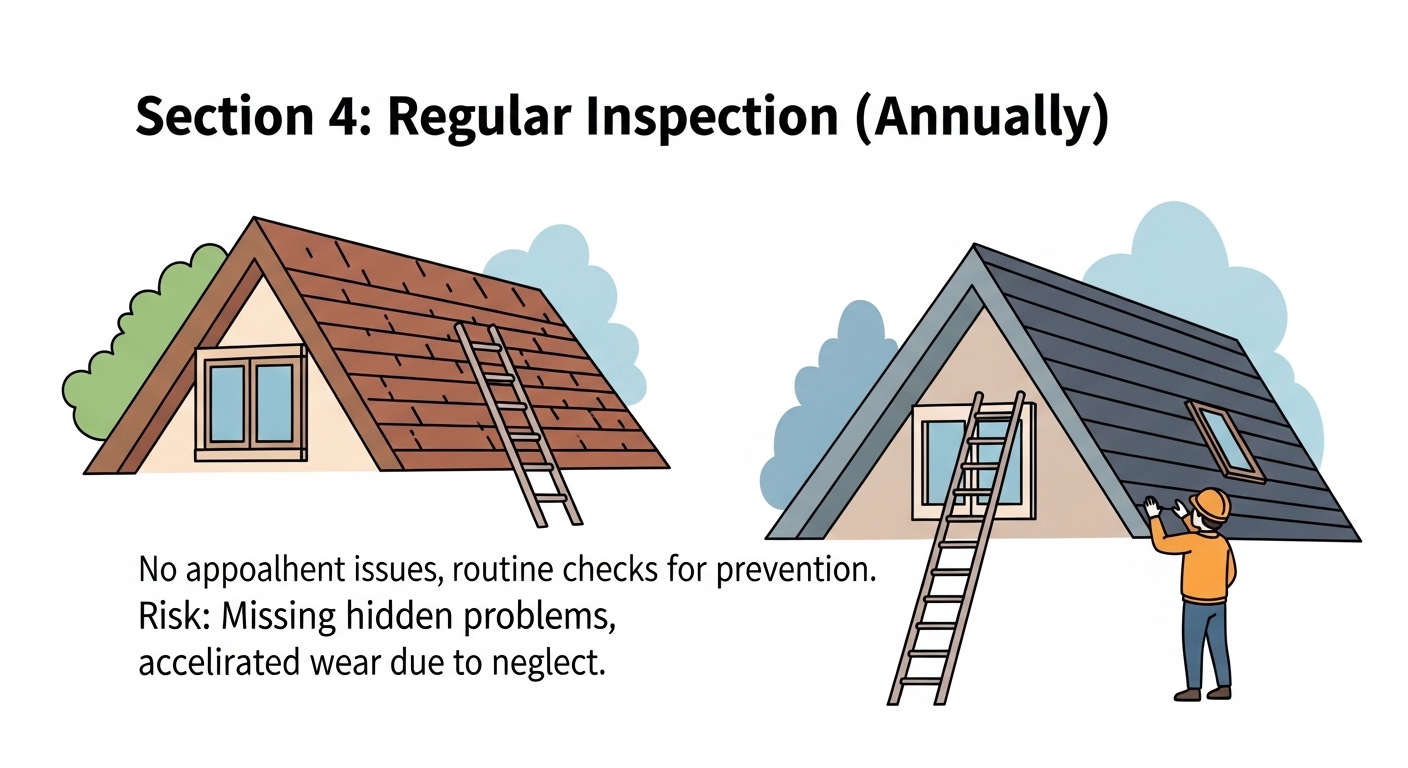
It’s a common situation for homeowners.
You notice something small — maybe a stain on the ceiling, a loose shingle, or a spot on the roof that doesn’t look quite right. It doesn’t seem urgent, and life gets busy, so it’s easy to put it off for a few days… or a few weeks.
The problem is, roofing issues rarely stay the same over time. And in a place like Calgary, where weather conditions can shift quickly, delays tend to make things worse faster than expected. For homeowners dealing with early warning signs, looking into reliable roof repair services in Calgary sooner rather than later can prevent a minor issue from turning into something much more serious.
Why “Minor” Roof Issues Don’t Stay Minor
Most roofing problems start small.
A tiny gap, a weakened seal, or a slightly lifted shingle might not cause immediate damage. But once your roof is exposed — even in a small way — it becomes vulnerable to water, wind, and temperature changes.
Moisture is usually the turning point. Once it gets in, it doesn’t just sit in one place. It spreads, seeps into insulation, and can travel along structural components before showing visible signs inside your home.
By the time you notice a leak, the issue has often been there longer than you think.
Calgary Weather Speeds Everything Up
In milder climates, homeowners sometimes have more time to deal with roofing issues. Calgary doesn’t really allow for that kind of flexibility.
A stretch of warmer weather can quickly turn into freezing temperatures overnight. Snow can melt and refreeze. Wind can pick up without much warning. Each of these shifts adds stress to already vulnerable areas of your roof.
What might have stayed manageable elsewhere can escalate much faster here.
The Cost of Waiting vs. Acting Early
Delaying a repair might seem like a way to avoid immediate costs, but it often leads to higher expenses later on.
A simple fix — something that could have been handled quickly — can evolve into:
- Replacing larger sections of the roof
- Repairing insulation or interior damage
- Addressing structural concerns
On the other hand, catching the issue early usually means a more straightforward repair and less disruption overall.
When You Should Take It Seriously
Not every roofing issue is urgent, but there are certain situations where it’s better not to wait.
If you’ve noticed:
- Water stains or discoloration inside your home
- Visible changes in the shape or texture of your roof
- Signs of damage after a recent storm
It’s worth taking a closer look sooner rather than later.
Even if the issue turns out to be minor, having clarity gives you peace of mind.
Getting a Clear Answer Instead of Guessing
One of the hardest parts about roofing problems is uncertainty. From the ground, it’s difficult to tell what’s actually happening.
That’s why many homeowners choose to get a professional opinion early. It removes the guesswork and gives you a clear understanding of whether the issue needs attention now or can wait.
For those dealing with early signs of damage, exploring reliable roof repair services in Calgary can help prevent a small issue from turning into something more complicated.
Working with a trusted team — even just for an inspection — gives you a better sense of where things stand. Whether you move forward immediately or monitor the situation, you’re making an informed decision.
Making the Call at the Right Time
There’s no perfect moment to deal with a roofing issue, but there is a point where waiting stops being helpful.
If something feels off, or if you’ve noticed changes after a storm or seasonal shift, it’s usually worth addressing. Acting early doesn’t mean committing to a major repair — it just means staying ahead of potential problems.
For homeowners who want to avoid uncertainty, reaching out to this roofing company or another experienced contractor can provide the clarity needed to move forward with confidence.
Final Thoughts
Roof problems don’t usually demand immediate action — until they do.
The key is recognizing that small issues have a tendency to grow, especially in a climate like Calgary’s. What starts as a minor concern can turn into something more involved if left unchecked.
Staying aware, asking questions, and taking action when needed can save time, money, and stress in the long run — while keeping your home protected no matter what the weather brings.
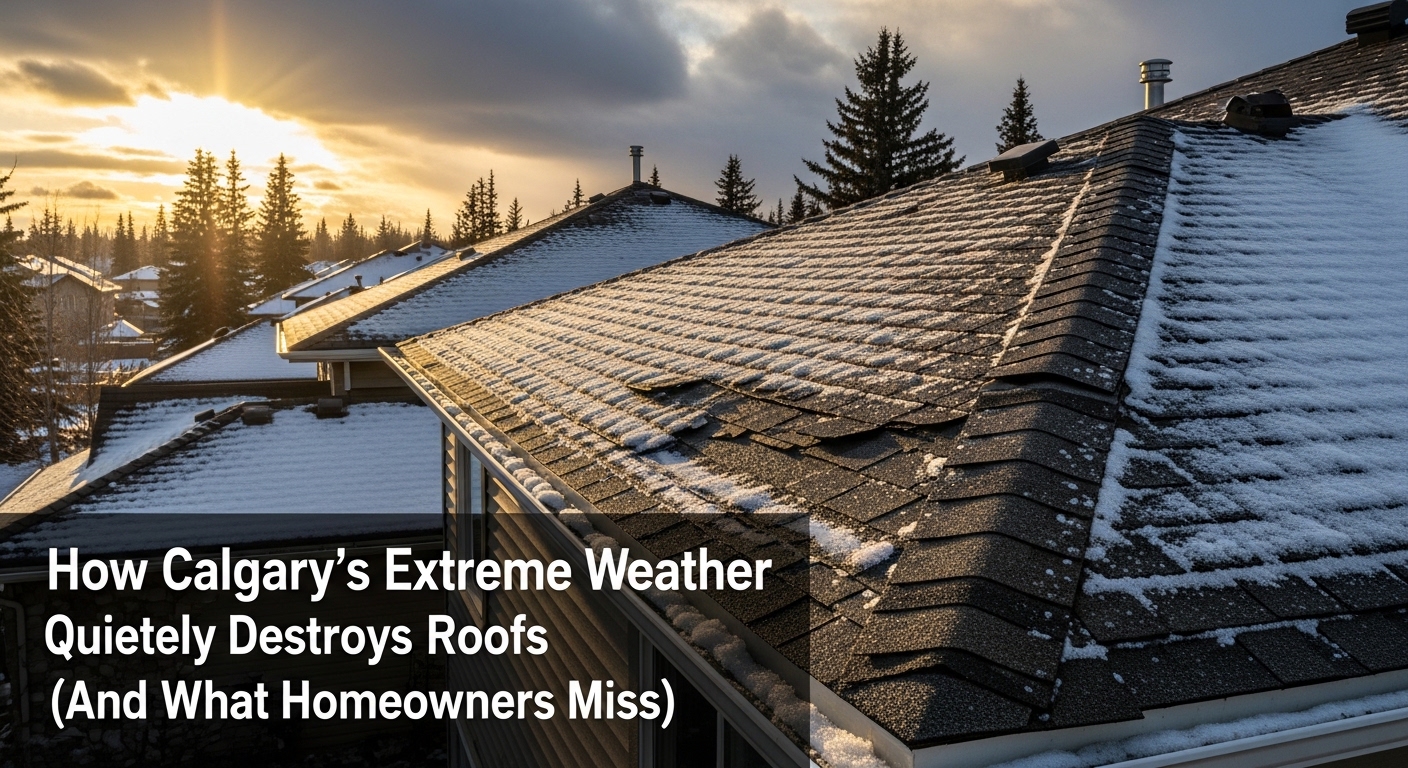
Most homeowners think of roofing problems as something obvious — a leak, missing shingles, or visible damage after a storm.
But in Calgary, the real issue isn’t always what you can see. It’s what’s happening gradually, driven by the city’s extreme and unpredictable weather patterns.
Unlike more stable climates, Calgary is known for rapid temperature swings, especially during Chinook events. A roof can go from freezing conditions to above-zero temperatures within hours. This constant expansion and contraction puts enormous stress on roofing materials, weakening them over time in ways that often go unnoticed.
Because of this, many homeowners don’t realize there’s a problem until it’s already advanced.
This is where finding high quality roof repair services in Calgary becomes essential. Local professionals understand how these temperature fluctuations affect different roofing systems and can spot early warning signs that would otherwise be missed.
The problem typically starts small.
A slightly lifted shingle. A tiny gap near flashing. Minor wear that doesn’t seem urgent. Under normal conditions, these issues might remain stable for months. But in Calgary, moisture seeps in and gets trapped beneath the surface.
When temperatures drop, that moisture freezes and expands. When temperatures rise again, it contracts. Each cycle makes the damage worse.
Over time, this leads to:
Cracked shingles
Compromised underlayment
Weakened roof decking
Reduced insulation efficiency
And the most frustrating part? None of this is immediately visible from the outside.
By the time homeowners notice interior signs — like water stains, slight sagging, or increased heating costs — the issue has already spread.
Another overlooked factor is snow accumulation.
Calgary doesn’t just get snow — it gets cycles of heavy snowfall followed by rapid melting. This creates conditions where water flows into vulnerable areas, then refreezes overnight. The result is repeated stress on seams, edges, and drainage points.
Over time, this contributes to structural fatigue that significantly shortens the lifespan of a roof.
What makes this especially challenging is that many roofs still look fine from a distance. There are no missing shingles, no obvious damage, nothing that immediately signals a problem.
But internally, the system is already under strain.
This is why routine inspections are far more important in Calgary than in milder climates. Waiting for visible damage isn’t a reliable strategy here.
Instead, proactive maintenance allows small issues to be addressed before they escalate into expensive repairs.
It also gives homeowners a clearer understanding of how their roof is aging in response to local conditions.
Another common mistake is assuming that newer roofs are immune to these problems.
Even recently installed roofing systems can be affected if they weren’t designed or installed with Calgary’s climate in mind. Material choice, ventilation, and installation quality all play a role in how well a roof holds up over time.
A roof that performs well in a different region might not last nearly as long here.
That’s why local expertise matters.
Professionals who regularly work in Calgary understand which materials hold up best, which areas are most vulnerable, and how to reinforce roofs against the specific challenges this climate creates.
For homeowners, the takeaway is simple:
Roof problems in Calgary don’t usually start big — but they don’t stay small for long either.
Ignoring minor issues or delaying inspections can turn manageable repairs into costly projects much faster than expected.
And because so much of the damage happens beneath the surface, the absence of visible signs doesn’t mean everything is fine.
In a climate like this, awareness and timing make all the difference.
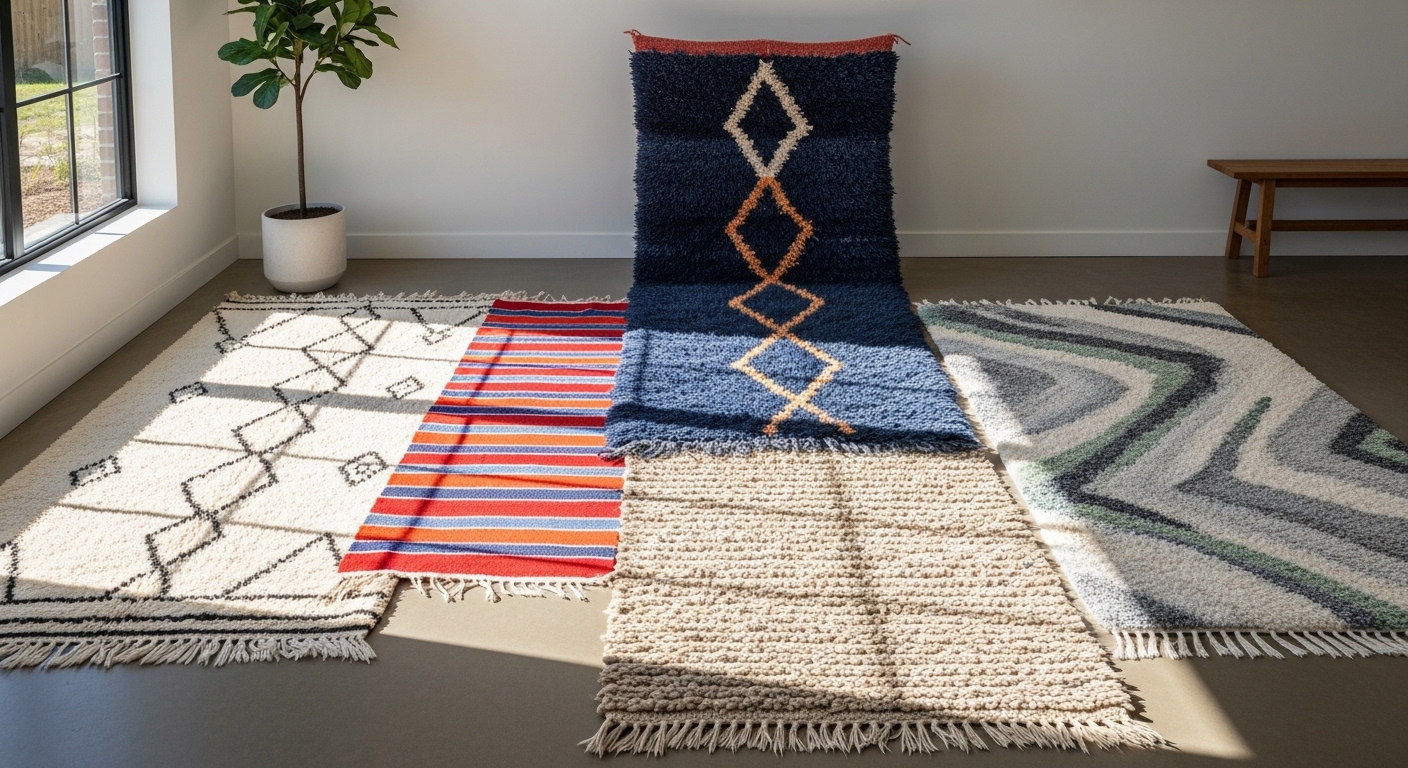
The first time a Berlin-based startup founder noticed the change, it wasn’t visual. It was acoustic. The echo in their newly renovated office had vanished. Conversations felt calmer, the space warmer, and visitors lingered longer. The difference wasn’t a new sound system or expensive furniture. It was the installation of wollmatten—dense wool mats integrated into floors and walls, quietly transforming the environment without demanding attention.
That understated impact is exactly why wollmatten are gaining momentum far beyond traditional interiors. From co-working hubs to founder homes, from boutique hotels to design-forward retail, these wool-based mats are becoming a material of choice for people who care about sustainability, performance, and atmosphere—without wanting to shout about it.
Understanding Wollmatten in a Modern Context
At their core, wollmatten are mats made primarily from natural wool fibers, often felted or woven into dense, resilient surfaces. Wool, one of humanity’s oldest materials, is being reinterpreted through modern manufacturing techniques to meet contemporary expectations around durability, aesthetics, and environmental responsibility.
What makes wollmatten relevant today is not nostalgia. It’s timing. As entrepreneurs and designers rethink how spaces influence productivity, wellbeing, and brand identity, materials that quietly support those goals are in high demand. Wollmatten fit that brief precisely, offering insulation, comfort, and sustainability in a single solution.
Unlike synthetic alternatives, wool naturally regulates temperature, absorbs sound, and resists dirt. These inherent qualities reduce the need for chemical treatments or complex engineering, making wollmatten both simpler and smarter from a materials perspective.
Why Entrepreneurs and Founders Are Paying Attention
Founders often obsess over tools, software stacks, and growth strategies, but physical environments play an equally powerful role in performance. A workspace that feels cold, noisy, or impersonal can subtly drain focus and morale. Wollmatten address these issues in ways that feel almost invisible.
In startup offices, they are increasingly used to soften open-plan layouts, reducing noise without building walls. In home offices, they add warmth and tactile comfort that makes long working hours more sustainable. For entrepreneurs who host clients or investors, wollmatten contribute to a sense of thoughtfulness and quality—signals that matter in trust-based relationships.
There is also a brand story embedded in the material. Choosing wool over petrochemical-based synthetics aligns with values many modern founders want to project: responsibility, longevity, and respect for craft.
The Science Behind the Softness
Wool’s performance is not accidental. Each fiber has a crimped structure that traps air, creating natural insulation. This makes wollmatten effective at regulating indoor temperatures, keeping spaces warmer in winter and cooler in summer. For businesses mindful of energy costs and environmental impact, that passive efficiency is a meaningful advantage.
Acoustically, wool fibers absorb sound waves rather than reflecting them. This reduces reverberation and background noise, improving speech clarity and lowering cognitive fatigue. In environments where collaboration and deep work coexist, wollmatten help balance energy and calm.
Wool is also naturally flame-resistant and moisture-regulating. It can absorb humidity from the air and release it slowly, contributing to healthier indoor air quality without mechanical intervention.
Wollmatten and Sustainable Business Thinking
Sustainability has moved from marketing buzzword to operational priority. Materials are no longer judged solely on price and appearance, but on lifecycle impact. Wollmatten perform well across that broader evaluation.
Wool is renewable, biodegradable, and often sourced as a byproduct of sheep farming. When responsibly managed, its environmental footprint is significantly lower than synthetic flooring or padding materials. Many manufacturers now emphasize traceability, ethical sourcing, and low-impact processing, further strengthening the case.
For founders building brands in competitive markets, these details matter. Customers, partners, and employees increasingly notice when sustainability is embedded in real choices, not just stated values.
Applications Beyond the Obvious
While wollmatten are commonly associated with flooring, their use cases extend much further. Designers are integrating them into wall panels, stair treads, seating surfaces, and even modular partitions. Their flexibility allows them to function as both structural and decorative elements.
In tech-focused environments, where screens and hard surfaces dominate, wollmatten introduce a human counterbalance. They soften visuals, improve acoustics, and make spaces feel less transient. This is particularly relevant for companies aiming to retain talent and foster a sense of belonging.
Retail and hospitality brands also use wollmatten to subtly guide customer experience. The material’s tactile quality encourages slower movement and longer stays, influencing behavior without overt design cues.
Comparing Wollmatten to Common Alternatives
To understand their growing appeal, it helps to see how wollmatten stack up against other widely used materials.
| Feature | Wollmatten | Synthetic Mats | Hard Flooring |
|---|---|---|---|
| Sustainability | Renewable, biodegradable | Petroleum-based | Resource-intensive |
| Acoustic Performance | Excellent sound absorption | Moderate | Poor |
| Thermal Regulation | Natural insulation | Limited | None |
| Aesthetic Longevity | Ages gracefully | Can degrade | Depends on finish |
| Comfort Underfoot | Warm and resilient | Variable | Hard and cold |
This comparison highlights why wollmatten are often chosen not for a single benefit, but for the balance they strike across multiple dimensions.
Design, Identity, and Subtle Storytelling
Materials communicate values long before words do. Wollmatten tell a story of restraint and intention. They don’t scream innovation, yet they embody it through thoughtful application of an ancient resource.
For founders and creatives, this subtlety is appealing. In a world saturated with digital noise and visual clutter, understated design choices feel increasingly premium. Wollmatten support environments that feel calm, grounded, and confident—qualities that resonate with mature brands and discerning audiences.
They also offer versatility in color and texture. From minimalist neutrals to rich, natural tones, wollmatten can align with a wide range of brand aesthetics without dominating them.
Challenges and Considerations
No material is perfect, and wollmatten are no exception. High-quality wool products can come with higher upfront costs than mass-produced synthetics. However, this is often offset by longevity and reduced maintenance. Wool’s natural resistance to dirt and compression means wollmatten tend to look good for years with minimal intervention.
There is also a learning curve for proper installation and care. Choosing reputable manufacturers and installers is essential to ensure performance matches expectations. For businesses accustomed to disposable interiors, this shift toward durability requires a mindset change.
Yet for many founders, that change aligns with broader strategic thinking: investing once, thoughtfully, rather than repeatedly replacing cheaper solutions.
The Quiet Future of Materials Like Wollmatten
As workspaces evolve and the boundaries between home, office, and public environments blur, materials that adapt gracefully will lead the way. Wollmatten are not a trend driven by novelty, but by relevance. They respond to real needs: focus, comfort, sustainability, and authenticity.
In the coming years, we are likely to see wollmatten integrated into smart building systems, modular architecture, and circular design models. Their compatibility with both tradition and technology positions them well for a future where materials are expected to do more than look good.
Conclusion
Wollmatten remind us that progress doesn’t always arrive with sharp edges and bold claims. Sometimes it comes quietly, underfoot or on the wall, improving how spaces feel rather than how they photograph. For entrepreneurs, founders, and designers building environments that support human potential, that quiet effectiveness may be the most powerful innovation of all.


